Every year, millions of birds collide with glass windows and facades, often with fatal consequences. This alarming issue has prompted researchers, architects, and conservationists to explore ways to mitigate the risk of bird collisions. The solutions lie in understanding the principles that make glass visible to birds and designing products and environments that incorporate these principles effectively.
Visual Interference: Making Glass Visible to Birds
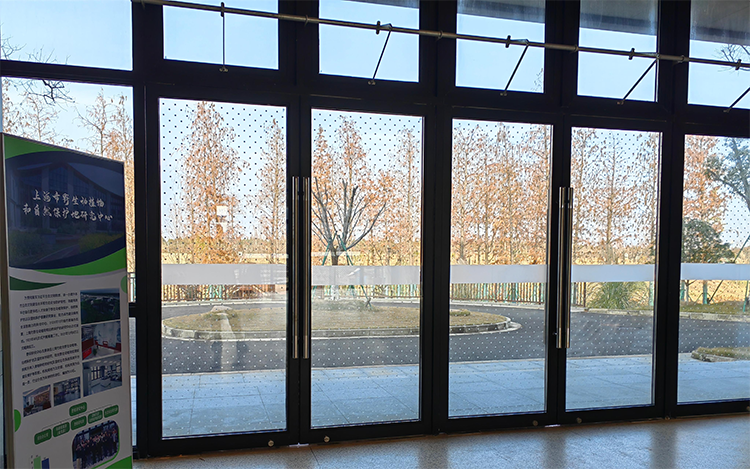
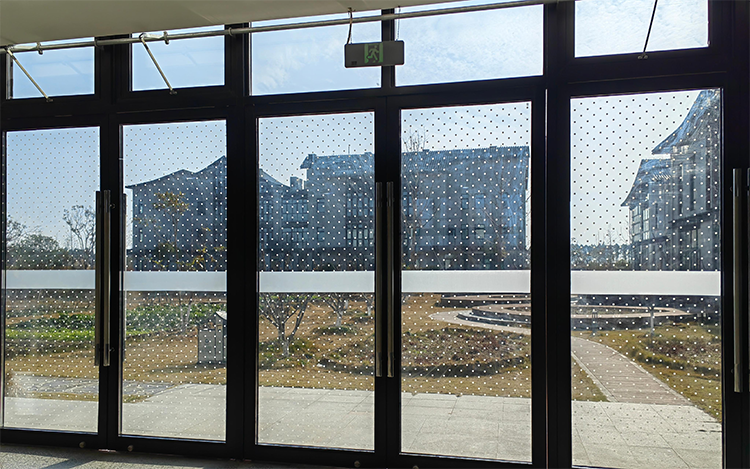
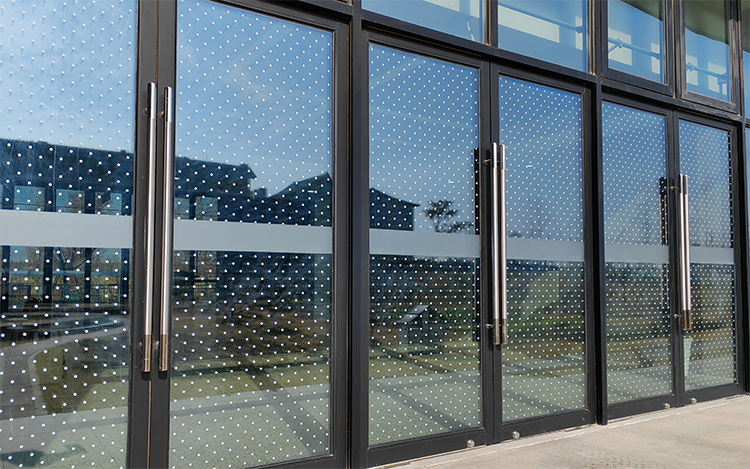
Birds often collide with glass because they perceive it as an extension of the sky or natural landscape due to its transparency and reflectivity. One effective way to address this is through visual interference—altering the glass surface to make it more visible to birds. This can be achieved by applying patterns or textures, such as dots, lines, or grids, to the glass. Studies in North America have shown that a matrix of dots spaced 5×5 cm or vertical lines spaced 10 cm apart can significantly reduce bird collisions. These patterns break the illusion of transparency, alerting birds to the presence of a barrier.
Another innovative approach is to leverage the unique visual capabilities of birds. Many bird species can see ultraviolet (UV) light, which is invisible to humans. By incorporating UV-reflective coatings or materials into the glass, designers can create surfaces that are highly visible to birds while remaining aesthetically pleasing to human eyes. This dual functionality makes UV-reflective glass an ideal solution for bird-safe design.
Reduce Reflection and Transparency
The reflectivity and transparency of glass are major contributors to bird collisions. To mitigate this, researchers and designers have developed methods to reduce these properties. Applying specialized films or coatings to the glass surface can minimize its reflectivity, preventing birds from mistaking their reflections for open sky or vegetation. Additionally, using frosted, enameled, or semi-transparent glass can make the glass more visible to birds without compromising the aesthetic appeal of the building.
Environmental Design: A Holistic Approach
Preventing bird collisions is not just about modifying glass surfaces; it also involves designing the surrounding environment to minimize risks. For instance, strategic landscaping around buildings can create natural barriers that deter birds from approaching glass facades. Planting trees or shrubs on the east side of a building, where sunlight often creates strong reflections, can significantly reduce the likelihood of collisions. Similarly, managing building lighting, especially at night, can prevent disorientation among migratory birds. Reducing unnecessary illumination and using bird-friendly lighting fixtures can help protect avian lives while maintaining functional lighting for human use.
Physical Barriers: A Last Line of Defense
In some cases, physical barriers are necessary to prevent bird collisions. Installing protective nets or railings on the exterior of glass surfaces can provide a tangible barrier that birds will avoid. These barriers can be designed to be visually discreet, ensuring they do not detract from the building's appearance. Another approach is to use spacing materials, such as aluminum panels, between glass facades. These materials create visual breaks that birds can easily recognize, reducing the risk of collision.
Dynamic Visual Cues: Adding Movement to Capture Attention
Birds are often more responsive to dynamic stimuli than static ones. This principle is leveraged in the use of dynamic visual cues, such as wind-driven devices or reflective strips, which create movement that attracts birds' attention. These devices can be easily installed on glass surfaces and provide an additional layer of protection by alerting birds to the presence of a barrier.
The principles behind bird-safe glass are grounded in a deep understanding of avian behavior and visual perception. By combining visual interference, reduced reflectivity, strategic environmental design, physical barriers, and dynamic visual cues, architects and designers can create spaces that are both functional and safe for birds. As awareness of the bird collision issue grows, the adoption of these innovative solutions will play a crucial role in protecting avian lives and promoting a more harmonious coexistence between birds and the built environment.