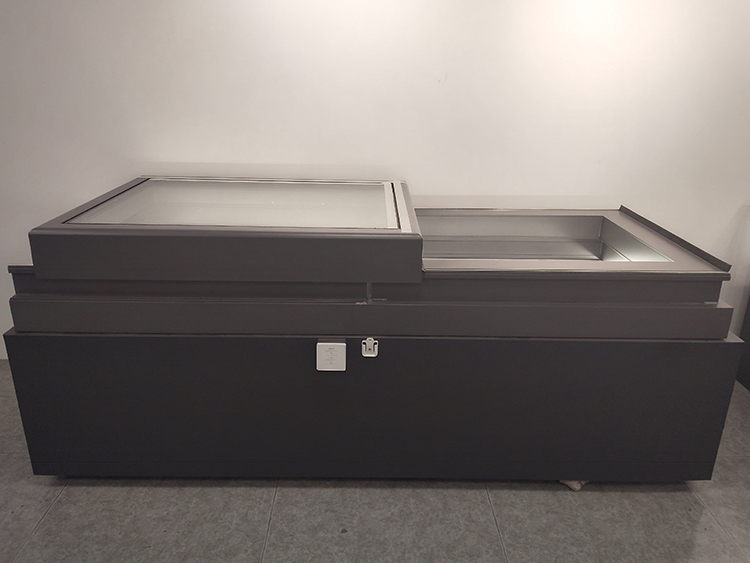
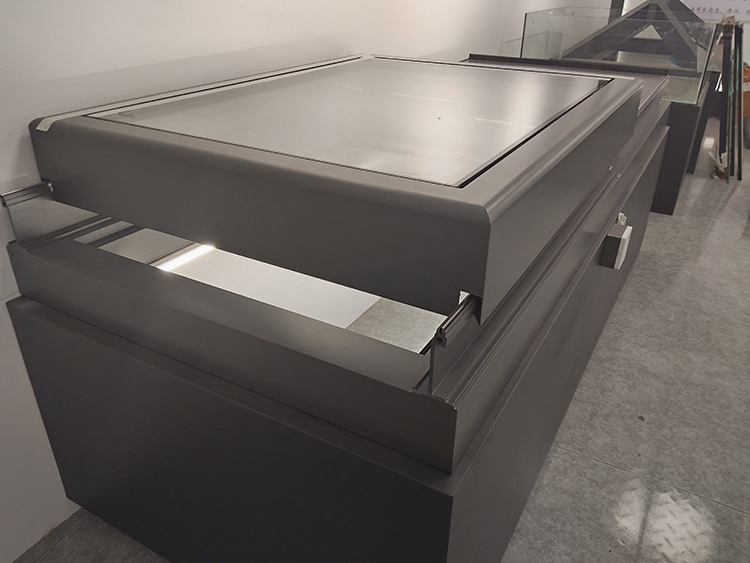
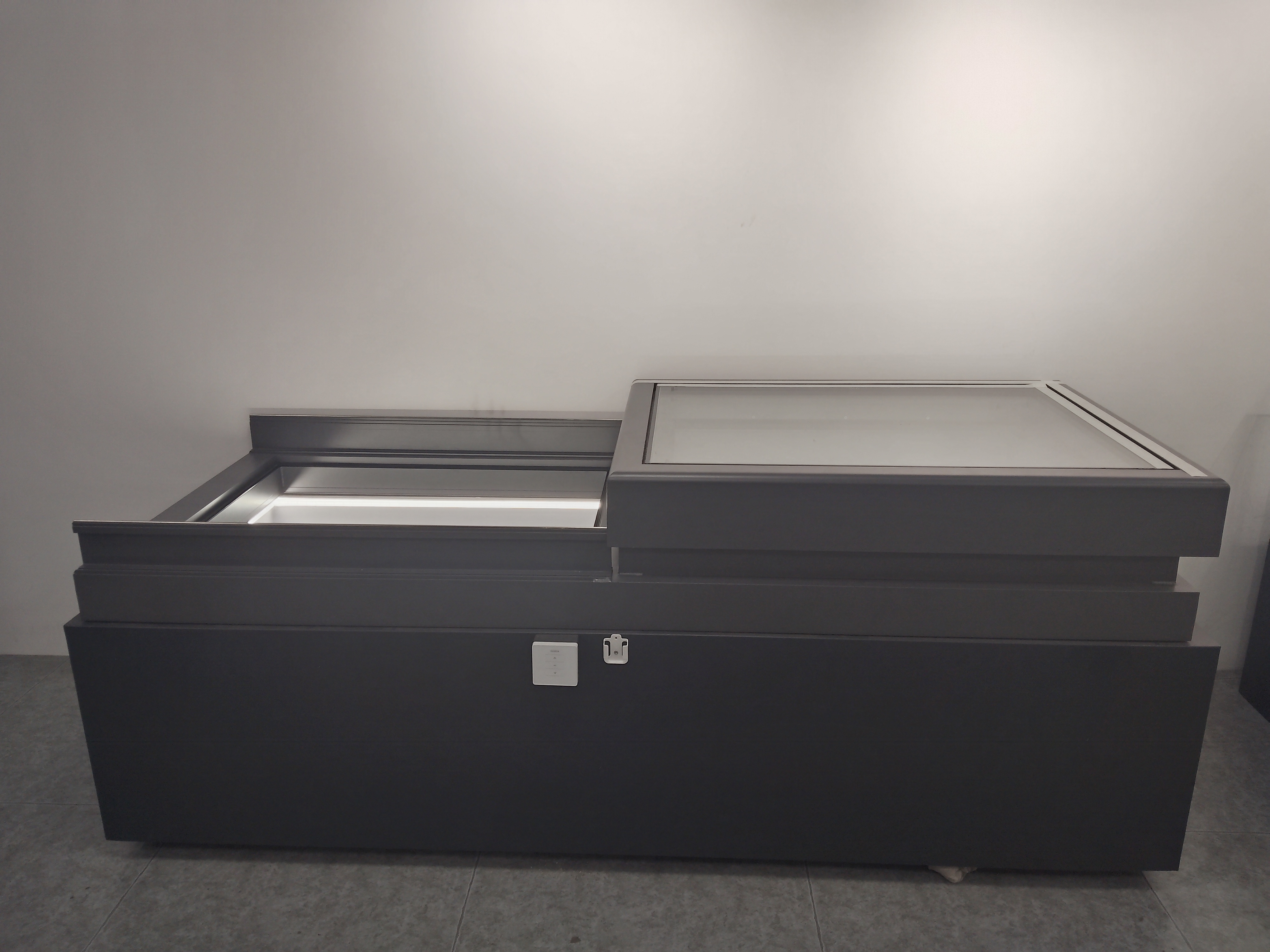
In the world of architecture and construction, the skylight has long been a symbol of innovation, natural light enhancement, and aesthetic appeal. When crafted from high-quality materials like aluminum, skylights not only transform indoor spaces but also offer a range of practical benefits that contribute to a more comfortable and energy-efficient environment for occupants.
Definition and Basic Structure
A skylight is a window or transparent opening installed in the roof of a building, designed to admit natural light and, in some cases, provide ventilation. When made from aluminum, these skylights combine durability, strength, and aesthetic versatility. The basic structure of an aluminum skylight typically includes an aluminum frame, a glazing panel (usually made of tempered or laminated glass), and a sealing system to ensure weather resistance.
Aluminum is an ideal material for skylights due to its lightweight yet robust nature. It can be easily shaped and customized to fit various architectural designs, making it a popular choice for both modern and traditional buildings. The aluminum frame provides excellent support for the glazing panel, ensuring that the skylight remains stable and secure even in adverse weather conditions.
Benefits of Aluminum Skylights
Natural Light and Energy Efficiency
One of the primary advantages of aluminum skylights is their ability to maximize natural light penetration. By allowing sunlight to enter the building, they reduce the need for artificial lighting during the day, leading to significant energy savings. Modern aluminum skylights often come with advanced glazing options, such as low-E coatings and double-glazed panels, which further enhance their energy efficiency by reducing heat transfer. This helps maintain a comfortable indoor temperature, reducing the load on heating and cooling systems.
Durability and Low Maintenance
Aluminum is known for its durability and resistance to corrosion, making it an excellent choice for long-term use in various weather conditions. Unlike some other materials, aluminum does not rust or deteriorate over time, ensuring that the skylight remains in good condition for many years. Additionally, aluminum skylights require minimal maintenance. Regular cleaning of the glass panel and occasional inspection of the sealing system are usually sufficient to keep them functioning properly and looking their best.
Customization and Aesthetic Appeal
Aluminum skylights offer a high degree of customization, allowing architects and homeowners to tailor the design to their specific needs and preferences. The frames can be finished in a variety of colors and textures, making it easy to match the skylight with the overall aesthetic of the building. The shape and size of the skylight can also be customized, from simple rectangular or square designs to more complex geometric shapes or even custom free-form configurations. This flexibility makes aluminum skylights suitable for a wide range of architectural styles, from minimalist modern designs to classic and traditional buildings.
While skylights offer numerous benefits, it is important to be aware of potential risks associated with glass selection. Tempered glass, commonly used in skylights, has a known risk of spontaneous breakage due to the presence of nickel sulfide (NiS) inclusions. These inclusions can expand over time, causing the glass to shatter suddenly, even without external impact. To mitigate this risk, it is highly recommended to choose laminated glass for skylights.
Why Choose Laminated Glass?
Laminated glass is made by bonding two or more layers of glass together with a layer of polyvinyl butyral (PVB) interlayer under heat and pressure. This construction provides several key advantages:
1. **Safety**: In the event of breakage, the glass fragments remain adhered to the PVB interlayer, preventing them from falling and causing injury. This is particularly important for skylights installed in high-traffic areas or above walkways.
2. **Reduced Risk of Spontaneous Breakage**: Laminated glass significantly reduces the risk of spontaneous breakage compared to tempered glass. This is because the PVB interlayer helps to distribute stress more evenly across the glass, minimizing the impact of any internal defects.
3. **Additional Benefits**: Laminated glass also offers improved sound insulation, UV protection, and resistance to forced entry. These features make it an ideal choice for skylights in both residential and commercial settings.